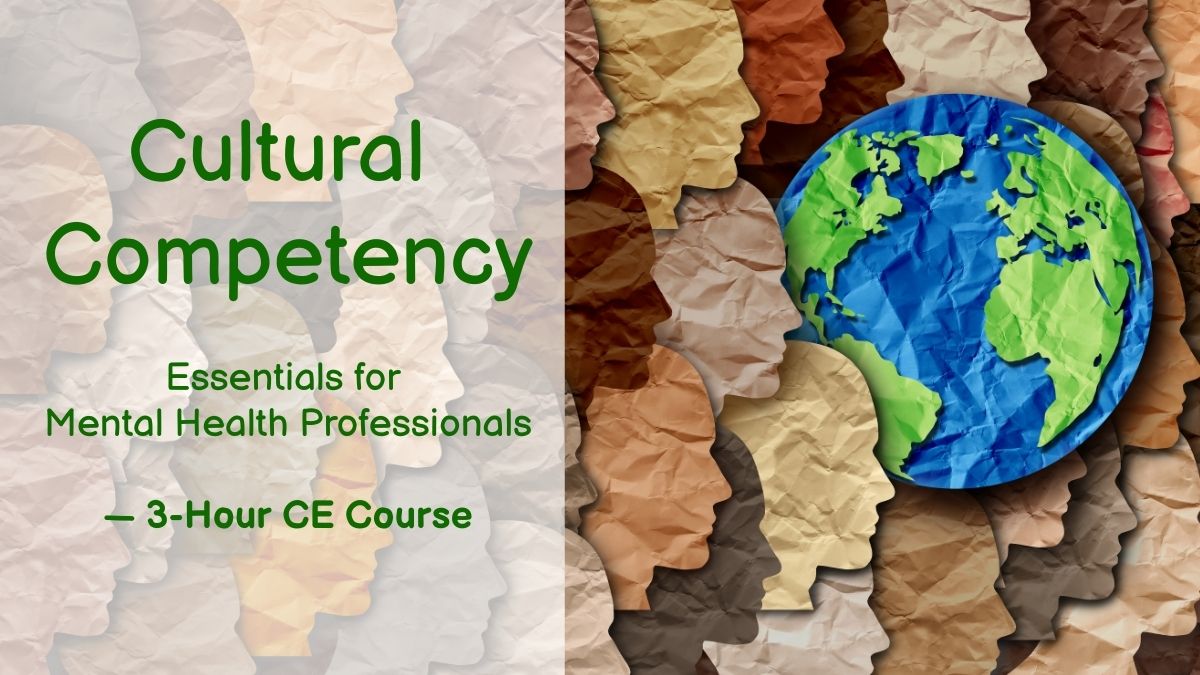
3-Hour CE Course-Affordable Cultural Competency Essentials for Mental Health Professionals—

Wishlist Share
Share Course
Page Link
Share On Social Media

About Course

This 3-hour Cultural Competency training provides mental health professionals with essential knowledge and practical skills to deliver inclusive, respectful, and culturally responsive care. Through clear learning modules, real-world examples, and practical communication tools, participants will learn how cultural identity shapes client experiences, how to recognize and reduce implicit bias, how to prevent and repair microaggressions, and how to build strong cross-cultural rapport. This 3-hour Cultural Competency course is designed to meet the continuing education requirements for a wide range of mental health professionals, including LPCs, LPC Associates, LMFTs, LCSWs, school counselors, psychologists, and other behavioral health providers. Upon completing the modules and passing the final quiz (minimum 70%), participants will earn a CE certificate.

Show More

What Will You Learn?

  • Understand how cultural identity and worldview shape client communication, behavior, and treatment needs • Conduct culturally informed assessments and interpret cultural expressions of distress
  • • Recognize implicit bias and reduce its impact on clinical decisions • Integrate cultural strengths, values, and supports into treatment planning
  • • Identify and avoid common microaggressions in therapy • Review key Texas LPC multicultural ethics requirements
  • • Build culturally sensitive rapport using respectful, open-ended communication • Provide more inclusive, ethical, and effective care to diverse clients

Course Content

Module 1 — Foundations of Cultural Competency
Understanding what cultural competency really means in clinical practice Topics Covered: What is cultural competency? Cultural humility vs. cultural competency Overview of CLAS Standards (HHS) Why cultural competency matters in Texas practice How culture shapes mental health symptoms “Blind spots” clinicians commonly have The importance of self-awareness

  • Reflection Prompt #1:
  • Lesson 1: Introduction to Cultural Competency
  • Reflection Question for Lesson 1
  • Lesson 2: How Culture Shapes Mental Health
  • Reflection Question for Lesson 2
  • Lesson 3: Blind Spots & Self-Awareness in Cultural Competency
  • Reflection Question for Lesson 3
  • Lesson 4: CLAS Standards & Ethical Expectations
  • Reflection Question for Lesson 4

Module 2 — Cultural Identity & Intersectionality
Exploring how identity layers shape client experiences Topics Covered: Race, ethnicity, gender, sexual orientation Religion, spirituality, and cultural values Immigration, acculturation, and multilingual identity Socioeconomic status & generational culture Intersectionality (Kimberlé Crenshaw’s framework) How overlapping identities impact mental health

Module 3 — Bias, Privilege & Microaggressions
Recognizing unconscious patterns that affect therapy Topics Covered: Implicit bias (Harvard IAT & APA research) Explicit vs. implicit stereotypes Power, privilege, and access to resources Microaggressions: everyday examples How unexamined biases affect clinical decisions Repairing ruptures in the therapeutic relationship

Module 4 — Culturally Responsive Counseling Practice
Putting cultural competency into action Topics Covered: Building trust across cultures Adjusting communication styles Trauma-informed multicultural care Working with refugees, immigrants, Asian Americans, Latinx, African Americans, LGBTQIA+, rural populations Cultural Formulation Interview (DSM-5) Treatment planning across cultural backgrounds

Module 5 — Ethical Responsibilities & Texas Board Requirements
Understanding your legal and ethical obligations Topics Covered: ACA & APA multicultural ethics NASW cultural standards Texas LPC requirement: 3 hours of Cultural Competency CE LMFT cultural diversity requirement Social Work cultural competence requirement Ethical dilemmas involving cultural misunderstandings Documentation and informed consent considerations

Module 6 — Case Studies & Clinical Application
Applying cultural competency to real-world clinical work Topics Covered: 3–4 case studies (multicultural dilemmas) Example: immigrant family conflict Example: LGBTQIA+ youth & cultural stigma Example: microaggression repair in therapy Example: religious/cultural boundary issues Decision-making model: awareness → reflection → consultation → action

Earn a certificate

Add this certificate to your resume to demonstrate your skills & increase your chances of getting noticed.
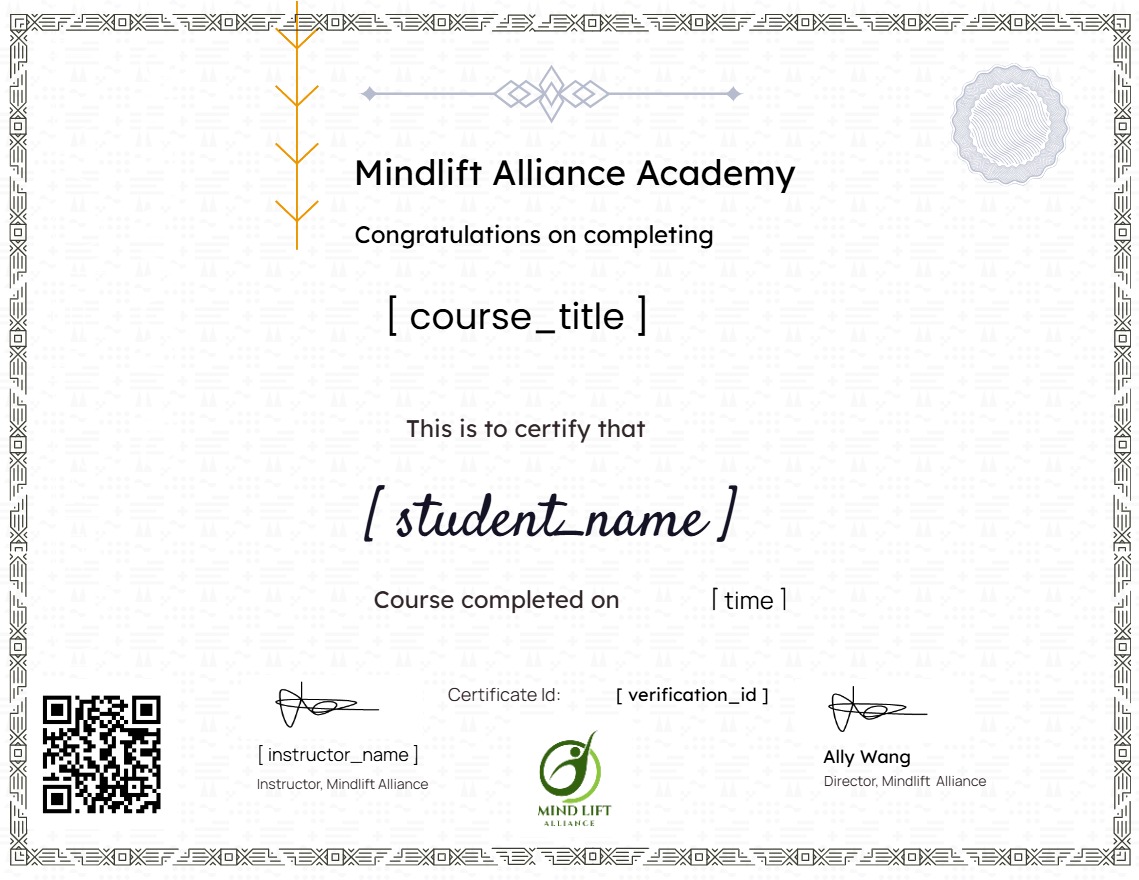
selected template

Student Ratings & Reviews

No Review Yet
No Review Yet

Want to receive push notifications for all major on-site activities?